
Introduction
The resurrection of Jesus Christ is the foundation of the Christian faith and the basis for every believer’s calling. It is not just a historical event to be celebrated, it is a present reality that defines how believers live, speak, and represent Christ daily.
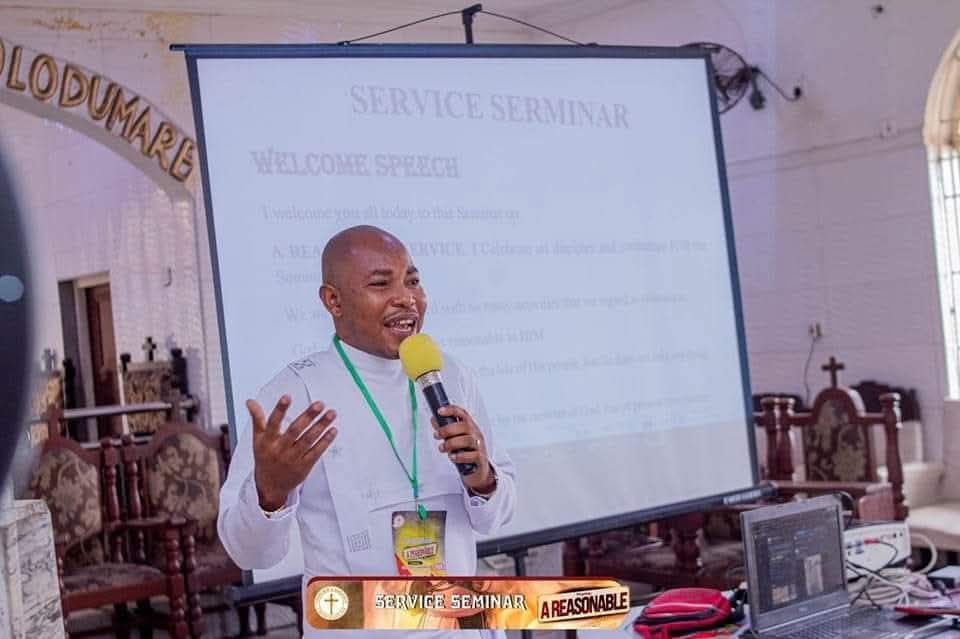
This teaching, drawn from Acts 1:8, 1 Corinthians 15, Revelation 1:5–6, and 1 John 1:1–3, focused on what it truly means to be a “living witness.” It emphasized that every believer is called not only to believe the gospel but to embody it, living as visible evidence of Christ’s resurrection power.
Bible Teaching Highlights
1. The Resurrection Is the Foundation of the Gospel
The resurrection of Jesus is the cornerstone of Christianity.
It confirms:
- The victory of Christ over sin and death
- The authority and divinity of Jesus
- The reality of eternal life
“Without the resurrection, the gospel has no power.”
Everything the believer stands for is built on this truth—Christ is alive, and His victory is complete.
2. The Gospel Is a Daily Reality, Not a Seasonal Event
The teaching emphasized that the gospel is not limited to special occasions like Easter.
It is:
- A daily message
- A daily lifestyle
- A daily responsibility
“Christianity is not something you celebrate occasionally, it is something you live every day.”
Believers were encouraged to move beyond seasonal excitement into consistent, daily expression of their faith.
3. What It Means to Be a Living Witness
A witness is someone who has seen, experienced, and can testify.
The apostles witnessed Christ physically, but believers today witness through:
- Personal encounter with Jesus
- Transformed lives
- Ongoing relationship with God
“Your life is the strongest proof of the gospel you preach.”
Being a living witness means your lifestyle reflects the reality of Christ.
4. Every Believer Is Commissioned to Witness
The call to preach the gospel is not limited to pastors or leaders.
According to Acts 1:8, every believer is empowered to be a witness.
This includes:
- Sharing the gospel
- Testifying about Christ
- Reaching others intentionally
“Soul-winning is not a special assignment, it is a universal calling.”
Every Christian has a role in spreading the message of salvation.
5. The Mission of the Church
The teaching clarified the true purpose of the Church.
It is not primarily about:
- Events
- Programs
- Activities
But about:
- Winning souls
- Making disciples
- Expanding God’s kingdom
“The Church exists to reach the lost and raise disciples.”
This shifts focus from performance to purpose.
6. The Power of the Resurrection in the Believer
The resurrection is not just something to believe, it is something to live from.
It provides:
- Boldness
- Authority
- Confidence in Christ
“The same power that raised Christ now empowers the believer.”
This power enables believers to live victoriously and speak confidently about Christ.
7. The Need for Boldness and Utterance
Believers were encouraged to actively seek boldness in sharing the gospel.
This includes:
- Courage to speak
- Clarity in communication
- Dependence on the Holy Spirit
“God equips those who are willing to speak for Him.”
Evangelism requires both willingness and reliance on God’s empowerment.
8. Living What You Preach
A major emphasis was on authenticity.
The message of the gospel must not only be spoken—it must be lived.
Believers were challenged to:
- Reflect Christ in character
- Demonstrate integrity
- Align actions with words
“A silent life can contradict a spoken message.”
True witnessing happens when life and message are consistent.
✝️ Conclusion
The teaching concluded with these powerful truths:
- The resurrection of Christ is the foundation of the Christian faith
- The gospel is a daily reality, not a seasonal message
- Every believer is called to be a living witness
- The mission of the Church is soul-winning and discipleship
- The resurrection power equips believers for bold living
- Effective witnessing requires both boldness and authenticity
- A transformed life is the strongest testimony of the gospel
Ultimately, a living witness is not just someone who talks about Christ, but someone whose life reveals Him.
When a believer understands this, they move from passive Christianity to active participation in God’s mission, living daily as evidence that Jesus is alive.